
1. Introduction
Getting your braces or aligners removed feels like a big achievement. After months—sometimes years—of treatment, you finally see that perfectly aligned smile in the mirror. It’s exciting, relieving, and honestly, worth every bit of effort.
But here’s something many people don’t realize.
Orthodontic treatment doesn’t finish fully when u braces are taken off.
Yes, your teeth are straight now. But they’re not stable yet. This is where retainers come in—and they are not just an “optional extra.” They are the final and most crucial step in your orthodontic journey.
If you’ve ever wondered why retainers are important after braces, this guide will make it very clear. We’ll break it down in simple terms so you understand exactly why wearing your retainer matters—and how it protects your smile for the long run.
2. Body
2.1 What Are Retainers?
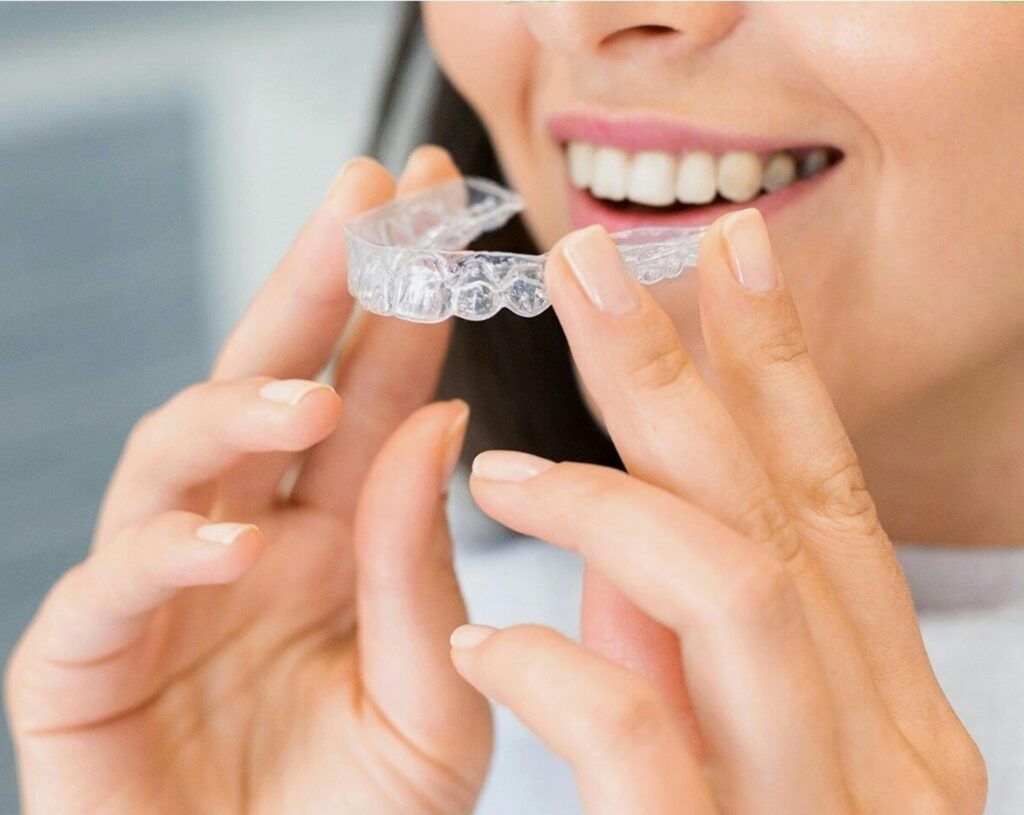
Retainers are custom-made dental devices designed to keep your teeth in their new position after braces or aligners are removed.
There are two main types of retainers:
- Fixed Retainers
These are thin wires bonded behind your teeth (usually the front ones).
They stay in place and work continuously without you needing to remove them. - Removable Retainers
These can be removed while eating or brushing. Common types include:- Hawley retainers (wire + acrylic)
- Clear plastic retainers (similar to aligners)
So how do they work?
After braces shift your teeth into alignment, retainers hold them in that position while your gums, bones, and tissues adjust and stabilize around them.
Without this support, your teeth can slowly start moving again.
2.2 Why Teeth Move After Braces
You might think that once teeth are straightened, they’ll stay that way forever. But that’s not how our body works.
Teeth have a natural tendency to shift back to their original position. This is called orthodontic relapse.
Here’s why it happens:
- Memory of ligaments:
The fibers that hold your teeth in place “remember” their old position and try to pull them back. - Bone and gum adjustment:
Your jawbone and surrounding tissues need time to stabilize after movement. - Daily pressure:
Normal activities like chewing, talking, or even tongue pressure can slowly shift teeth. - Grinding or clenching:
Habits like bruxism can speed up unwanted movement.
In short, your teeth are constantly under pressure. Without a retainer, they don’t just sit still.
2.3 Importance of Wearing Retainers
Now let’s get to the main point—why retainers are important after braces.
Retainers are not just helpful—they are essential.
Here’s what they do:
- Maintain your alignment
They keep your teeth exactly where your braces placed them. - Prevent relapse
Without retainers, teeth can shift back surprisingly fast. - Support stabilization
They allow bones and tissues to properly adapt to the new alignment. - Protect your investment
Braces take time, money, and effort. Retainers make sure it’s not wasted. - Keep your smile looking perfect
That confident, straight smile stays with you for years.
Think of it this way:
Braces make your teeth straight. Retainers make sure that work lasts.
2.4 What Happens If You Don’t Wear Retainers
Skipping your retainer might not seem like a big deal at first. But over time, the effects become noticeable—and sometimes irreversible.
Here’s what can happen:
- Teeth start shifting slowly
- Small gaps may reappear
- Crowding can return
- Your bite may change
In some cases, people notice their retainer doesn’t fit after just a few days of not wearing it.
Realistically, many people who stop wearing retainers end up needing braces or aligners again.
Imagine going through the entire treatment process twice—just because you skipped your retainer.
That’s something easily avoidable.
2.5 How Long Should You Wear Retainers
This is one of the common question.
The answer? It depends—but consistency is key.
Typically, orthodontists recommend:
- First phase:
Wearing your retainer full-time (except while eating or brushing) - Second phase:
Switching to night-time wear - Long-term:
Wearing retainers regularly, often for life
Yes, lifetime wear may sound like a lot. But wearing a retainer at night becomes a simple habit—like brushing your teeth.
And it’s a small effort compared to redoing orthodontic treatment.
2.6 Tips for Retainer Care
Taking care of your retainer is just as important as wearing it.
A well-maintained retainer lasts longer, stays hygienic, and works effectively.
Here are some simple tips:
- Clean it daily
Use a soft brush and mild cleanser. Avoid harsh chemicals. - Keep it away from heat
Hot water can warp the shape, especially for clear retainers. - Store it properly
Always keep it in a protective cover - Avoid wrapping in tissue
This is one of the most common ways people accidentally throw them away. - Handle with care
Retainers are durable, but not unbreakable.
This is where having a good-quality retainer case makes a difference.
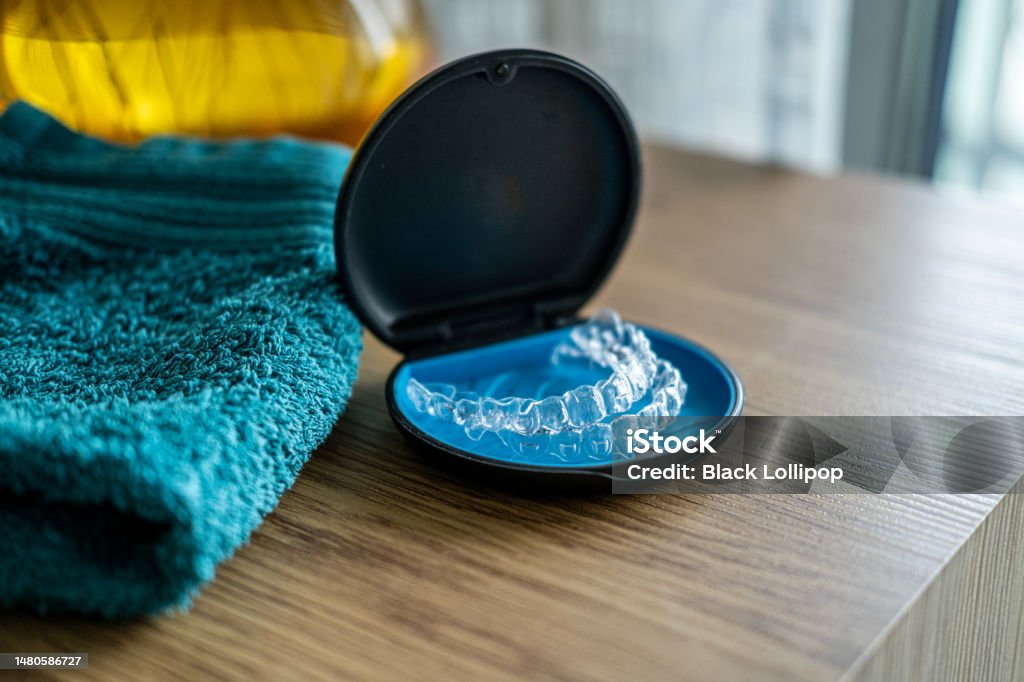
A sturdy and hygienic case—like designer retainer cases from brands such as ALINEYA—not only protects your retainer but also makes it easy to carry safely wherever you go.
It’s a small addition that helps prevent damage, loss, and unnecessary replacement costs.
2.7 Choosing the Right Retaine
Not all retainers are the same. The right one depends on your needs, lifestyle, and orthodontist’s recommendation.
Here are a few factors to consider:
- Comfort:
Clear retainers are almost invisible and feel smooth. - Maintenance:
Fixed retainers require less daily effort but need professional care. - Flexibility:
Removable retainers give you the option to take them out when needed. - Durability:
Some types last longer than others depending on usage.
Each type has its pros and cons, so it’s best to follow your orthodontist’s advice and choose what suits your routine.
3. Conclusio
By now, it’s clear that retainers are not optional—they are essential.
If you’ve been asking why retainers are important after braces, the answer comes down to one thing: long-term results.
Without retainers, your teeth can shift back. Your smile can change. And all the effort you put into your treatment can slowly fade away.
But with consistent retainer use, you can:
- Maintain your straight smile
- Avoid repeat treatments
- Protect your investment
- Enjoy lasting results
It’s a simple commitment that makes a huge difference.
So wear your retainer, take care of it, and follow your orthodontist’s instructions.
And don’t forget—using a reliable retainer case ensures your retainer stays safe, clean, and always ready to use.
Because a great smile isn’t just created—it’s maintained.